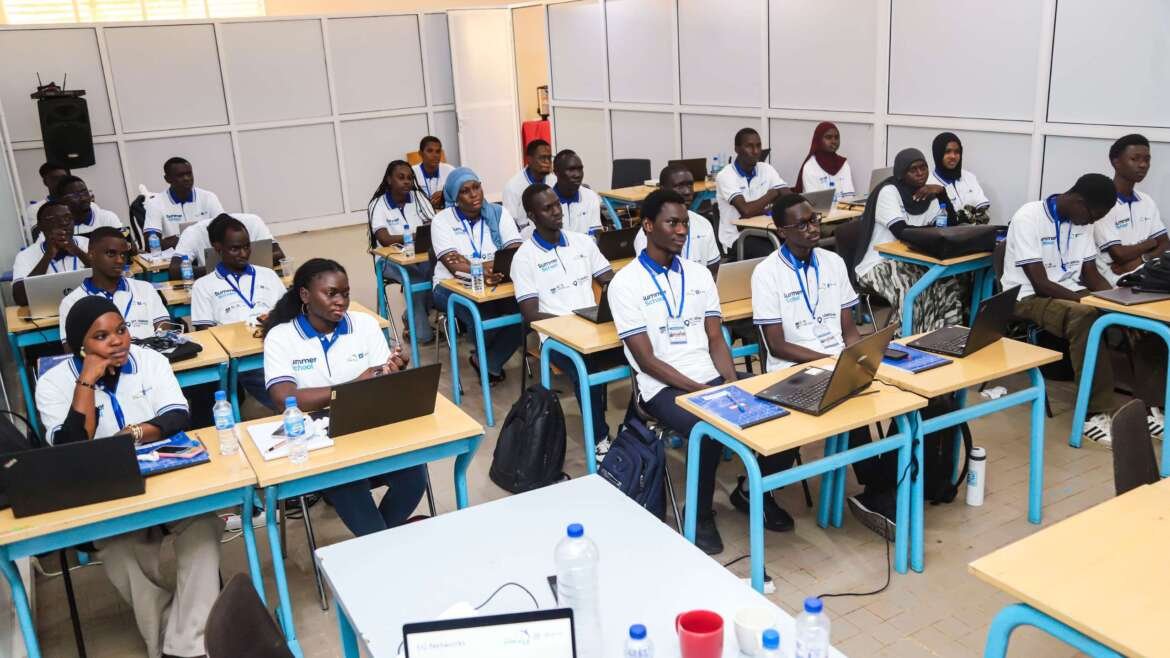



2nd DIGITAfrica Summer School on Digital Sciences and Research Infrastructures
By the end of day 1, participants will be able to deploy a 5G network composed of open-source 5G core and RAN implementations. They will also be able to run traffic workloads on the network from multiple UEs, as well as collect and analyze control-plane and user-plane traffic.
By the end of day 2, participants will be able to adapt the radio network to meet their performance objectives
(e.g., delay, bandwidth) and will be involved in an hackathon aiming to deploy a 5GNR radio network on the campus.
Part A : Introduction to 5G - an experimental approach
- Duration: 2 days (6 hours / day, excluding lunch)
- Format: Hands-on Tutorial (5G + docker + measurements)
Core Learning Outcome
By the end of day 1, participants will be able to deploy a 5G network composed of open-source 5G core and RAN implementations. They will also be able to run traffic workloads on the network from multiple UEs, as well as collect and analyze control-plane and user-plane traffic.
By the end of day 2, participants will be able to adapt the radio network to meet their performance objectives (e.g., delay, bandwidth) and will be involved in an hackathon aiming to deploy a 5GNR radio network on the campus.
| https://gitlab.inria.fr/digitafrica/hands-on/senegal2026 | ||
|---|---|---|
| Time | Activity | Focus |
| Day 1 | ||
| 09:30-11:00 | Module 1: Foundations – 5G Principles and Architecture | 5G architecture, core and RAN interactions |
| 11:00-11:15 | Coffee Break | |
| 11:15-12:45 | Module 2: Reproducibility and Experimental Research | Introduction to reproducibility, setup research environment, run a “hello-world” experiment |
| 12:45-13:45 | Lunch Break | |
| 13:45-15:15 | Module 3: Deploying a 5G Network and Running an Experiment | Configure/deploy 5G core, RAN, analyze signaling traffic |
| 15:15-15:30 | Coffee Break | |
| 15:30-17:00 | Module 4: Traffic Workload on 5G and Analysis | Connect UEs, run workloads, collect/analyze data |
| Day 2 | ||
| 09:30-11:00 | Module 5: Foundations – 5G New Radio Principles | 5G NR architecture, radio transmission in 5G |
| 11:00-11:15 | Coffee Break | |
| 11:15-12:45 | Module 6: 5GNR Configuration in OpenAirInterface |
Analysis of gnb.conf files in OpenAirInterface
|
| 12:45-13:45 | Lunch Break | |
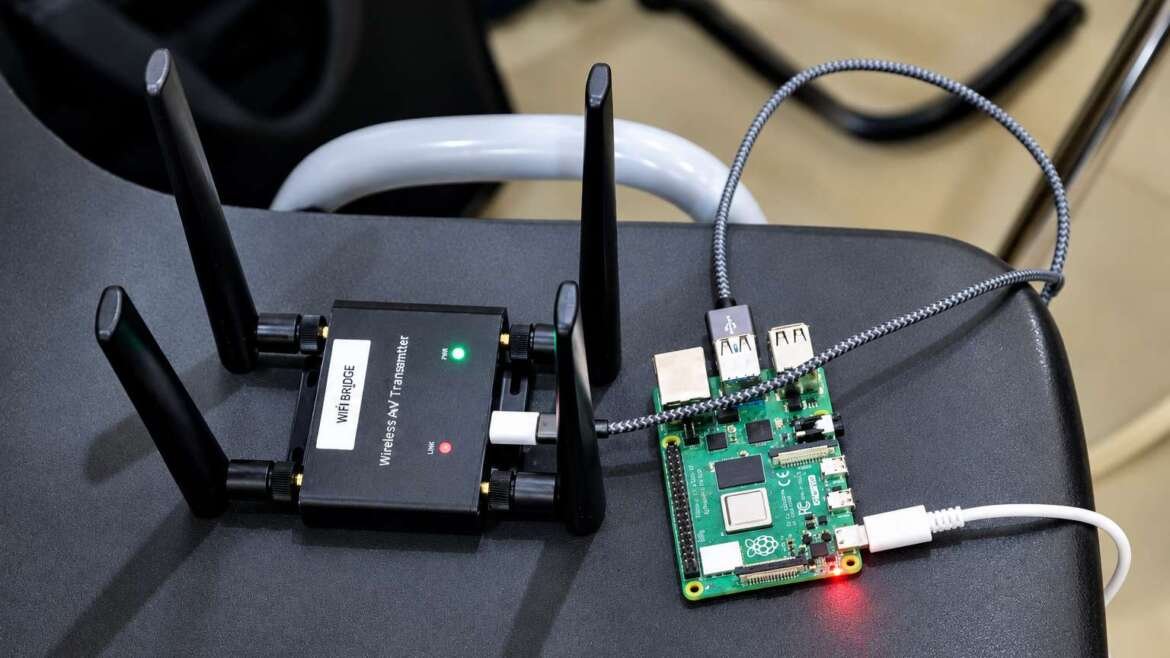
| 13:45-17:00 | Module 7: Deploying a 5G network and run an experiment on it. | Collective deployment of a real 5GNR radio network on campus |
Required Competencies and Materials
Technical Prerequisites
- Linux command line: Intermediate-level knowledge of Linux command line.
Participants should be comfortable with using the Linux command line. - Basic Network Concepts: A rudimentary understanding of how network work
in general will be beneficial, though core concepts will be covered.
Software and Setup
A preconfigured environment will be made available on DigitAfrica.
On their laptop, participants will require a modern browser with Internet access.
Part B: Day 3 &4: Urban Digital Services Hackathon
Building AI-Enabled Educational and Urban Service Platforms on Low-Cost Infrastructure
Theme : Designing Affordable and Sustainable Digital Services for Smart Campuses and Urban Communities
Objectives
Participants will:
- Deploy and operate a complete cloud-native infrastructure.
- Integrate heterogeneous networking, cloud automation, and AI services.
- Develop practical solutions addressing urban and educational challenges.
- Demonstrate the feasibility of low-cost sovereign digital infrastructures.
Morning Session
| Time | Activity |
|---|---|
| 08:30-09:00 | Kick-off and Team Formation |
| 09:00-09:30 | Challenge Briefing – Teams select one challenge track |
- Participants form multidisciplinary teams (4–6 members).
Suggested profiles:
- Network Engineer
- Cloud Engineer
- AI/Data Analyst
- Application Developer
- Project Coordinator
Challenge Tracks
Track 1: Smart Campus Analytics
Develop a digital platform that:
- Collects campus operational data.
- Provides AI-based analytics.
- Offers dashboards through JupyterHub.
Possible datasets:
- Classroom occupancy
- Energy consumption
- Internet usage statistics
Expected outputs:
- Data pipeline
- Jupyter notebooks
- Grafana dashboard
Track 2: Urban Mobility Observatory
Create a monitoring platform for:
- Traffic congestion analysis
- Public transport monitoring
- Pedestrian flow visualization
Infrastructure requirements:
- k3s deployment
- JupyterHub notebooks
- Monitoring dashboard
Track 4: AI-Powered Digital Education Platform
Build a cloud-native learning platform integrating:
- Keycloak authentication
- JupyterHub notebooks
- Learning analytics
- Student activity monitoring
- AI-assisted educational insights
Track 5: Community Connectivity and Network Monitoring
Design a solution for:
- Community Wi-Fi management
- Connectivity monitoring
- Network quality assessment
Expected outputs:
- Network performance dashboard
- Connectivity reports
- Service recommendations
Technical Requirements
Each team must deploy:
Infrastructure Layer
- k3s cluster
- Helm-managed services
Identity Layer
- Keycloak authentication
Learning Layer
- JupyterHub
Observability Layer
- Grafana
- Prometheus
Analytics Layer
- Python notebooks
- AI or data analytics workflow
Development Phase Day 3
| 09:30 – 13:00 | Infrastructure deployment Deliverables:
|
| 13:00 – 14:00 | Lunch Break |
| 14:00 – 16:30 | Application and AI development Deliverables:
|
Development Phase Day 4
| 09:30 – 13:00 | Infrastructure deployment Deliverables:
|
| 13:00 – 14:00 | Lunch Break |
| 14:00 – 16:30 | Application and AI development Deliverables:
|
| 16:30 – 17:30 | Final Testing and Demonstration Preparation Teams prepare:
|

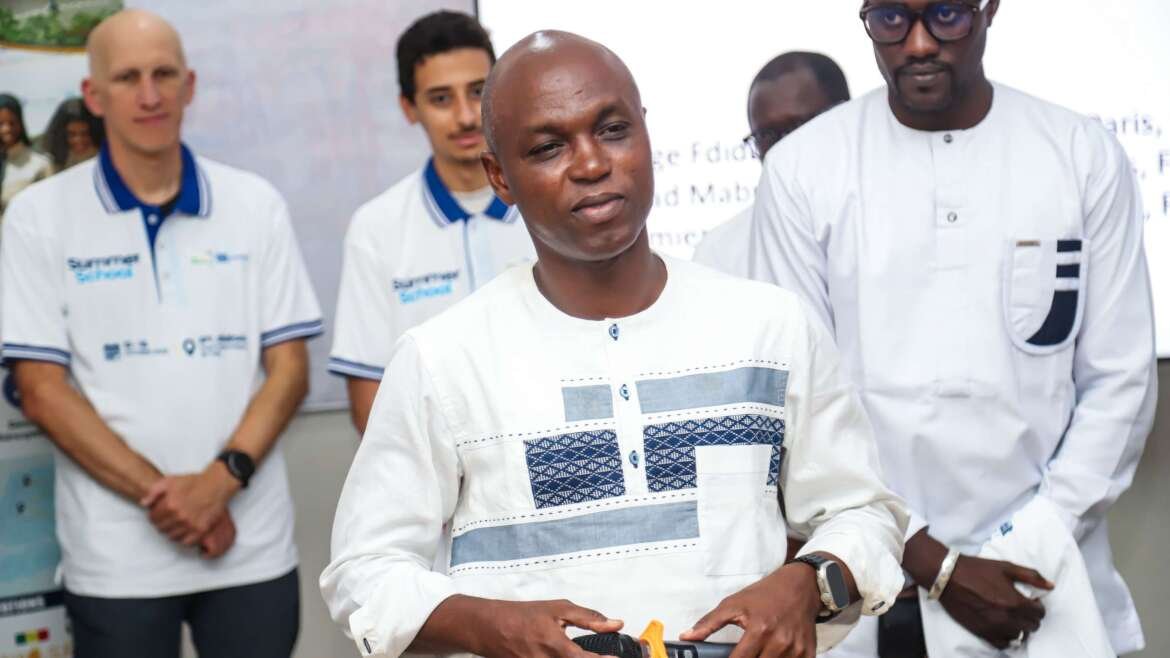
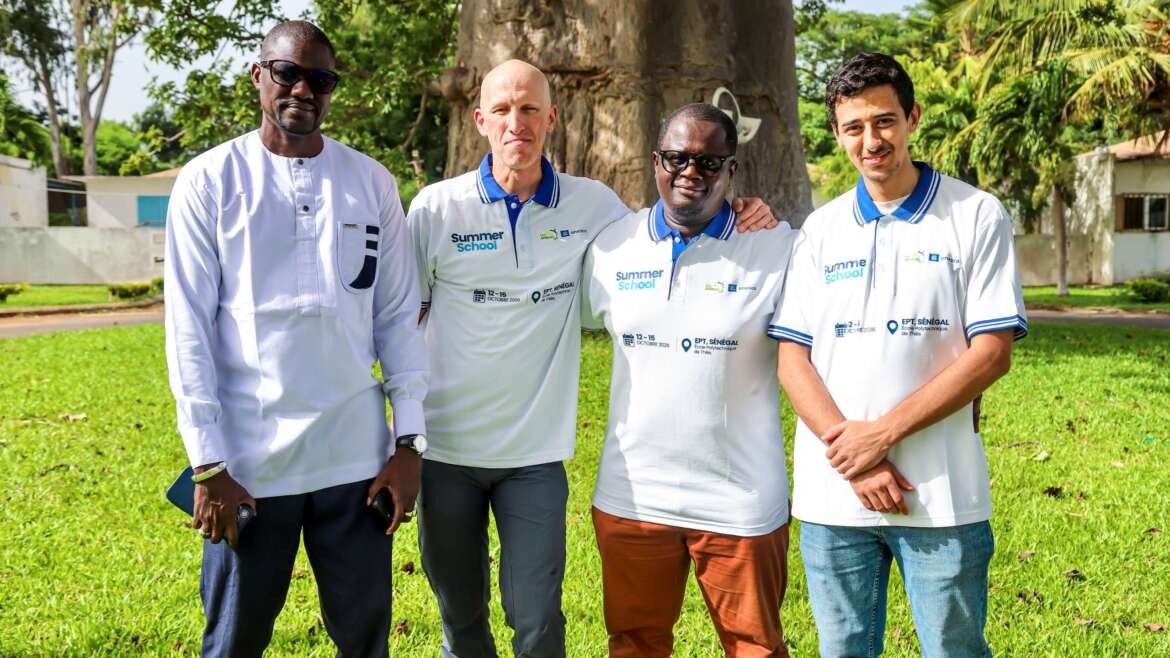
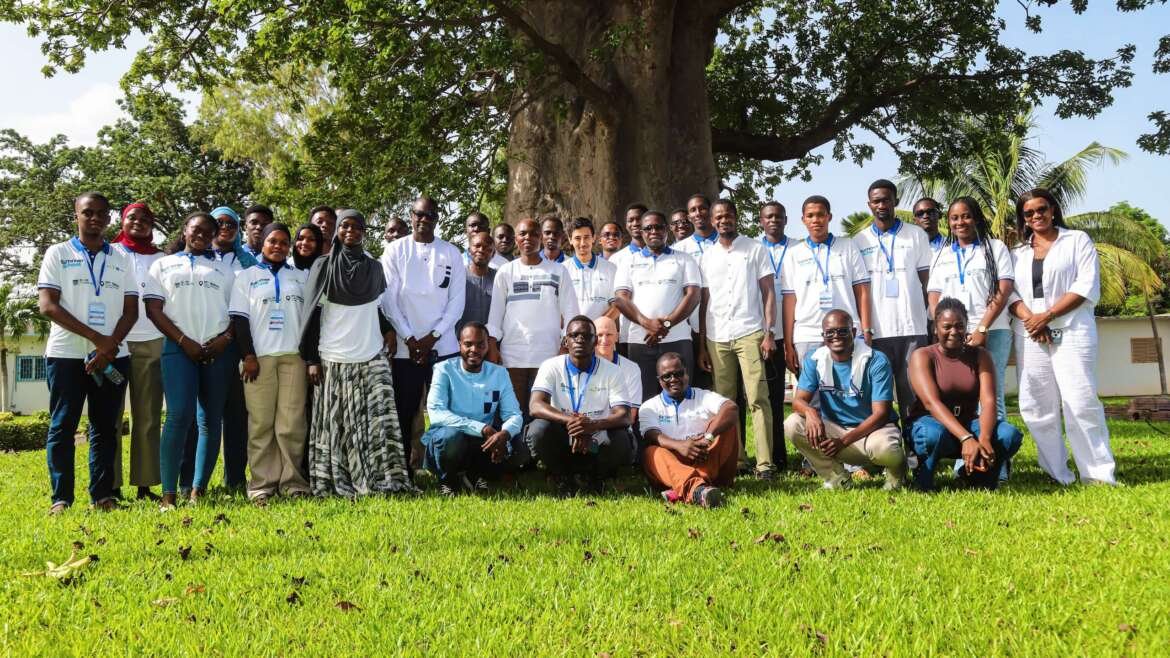
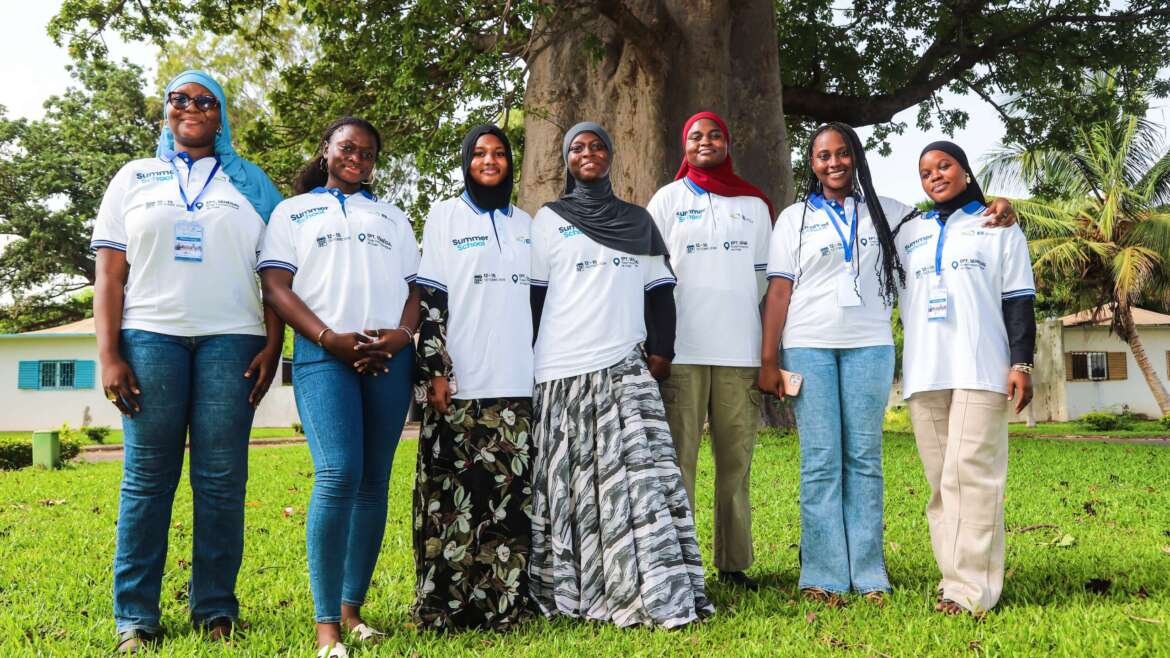
The summer school in pictures